
Need it done by a professional? THS Concepts carries out topographical surveys for architects, engineers and contractors.
In this article, we explain how much a typical topographical survey costs in 2026, including the preparation of CAD drawings. We also break down the key factors that influence pricing, so you can better understand what you are paying for and why costs can vary.
Our aim is to provide clear, practical insight into how topographical or land surveys are priced, how surveyors arrive at their quotes, and what steps you can take to keep costs under control without compromising on quality.
Most standard surveys are delivered within 5-7 working days of the site visit.
In this section, we cover:
- How much a topographical survey costs in 2026
- Practical ways to reduce the cost of topographical survey quotes
- Real example pricing based on projects delivered by THS Concepts
How Much Does a Topographical Survey Cost in 2026?
For a typical residential site, expect to pay around £800 to £1,200 + VAT. Larger parcels of land range from £2,000 to £4,000 + VAT depending on size, complexity and travel distance from your surveyor. Most standard surveys are delivered within 5-7 working days. Scroll down for real example prices from our completed projects.
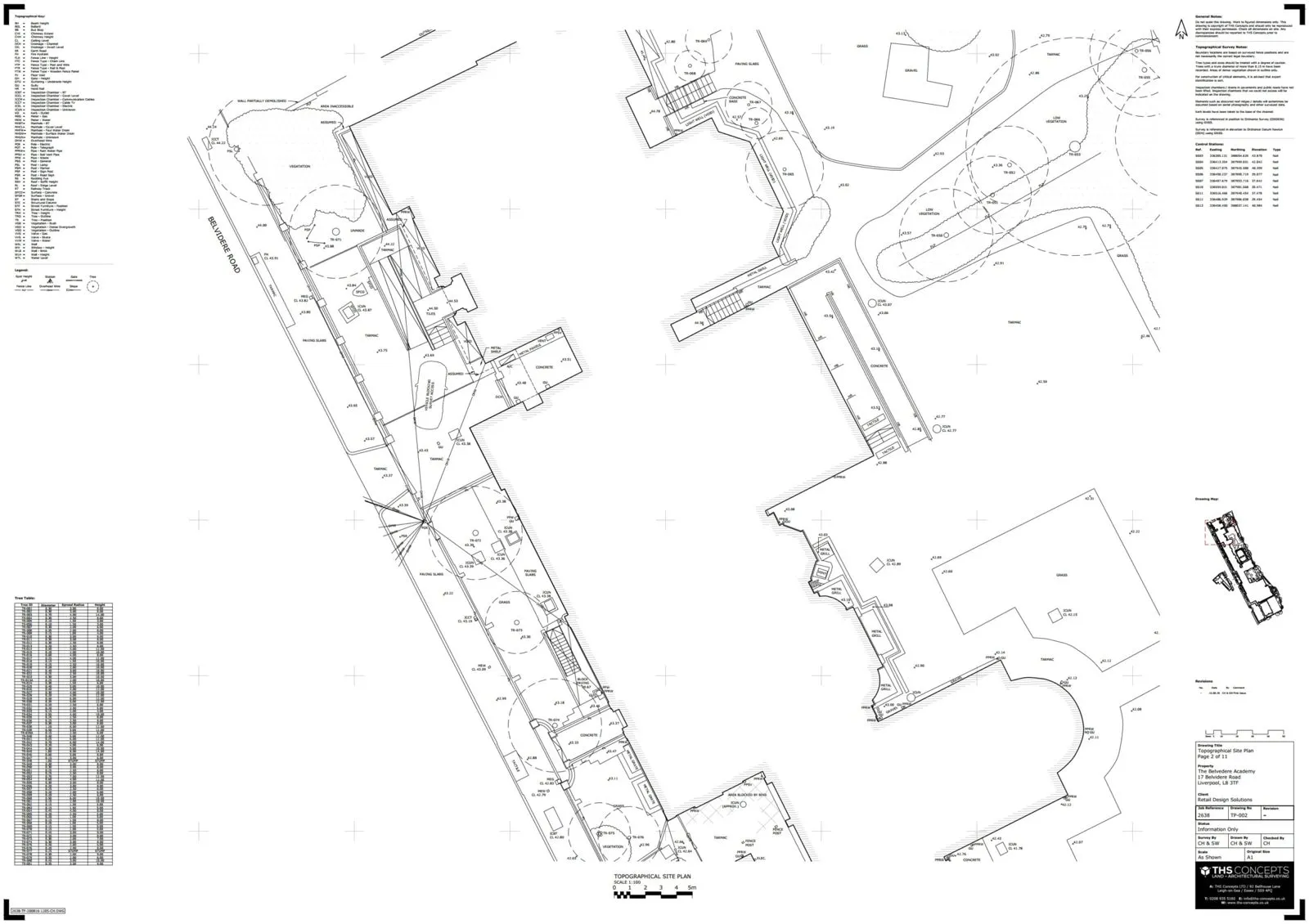
What Is a Topographical Land Survey
A topographical survey accurately maps the natural and man-made features of a piece of land, including spot heights, contours, boundaries, drainage, trees and existing structures. The results are delivered as CAD drawings and PDFs that architects, engineers and planners use as the foundation for their designs. For a full explanation, read our detailed guide on what is a topographical land survey.
Typical Topographical Survey Costs
In the UK land surveying companies typically charge between £350 and £1200 for a day’s topographical surveying work in the field. The price fluctuations can be massive which can be down to a few factors discussed further on.
Once the survey team have returned from the site and are back in the office the information that has been collected whilst on site will be drawn up using computer-aided design (CAD) software such as AutoCAD.
A typical cost to draw up the topographical survey would be between £350 and £650 per day. As a rough rule of thumb, for every day on-site for 1 surveyor, expect a day in the office to draw up the topographical drawings.
Most sites we encounter are residential, offices, or small parcels of land. Typically, these take 1 day to survey and 1 day to produce the drawings. This would give an approximate price of £1100 + VAT.
What Affects The Costs?
Travel Time
The cost of the land survey team travelling to the site will need to be factored into the quote. If you are in a densely populated area, then you will pay a lot less than, say, someone in a much more remove part of the country as the travel costs will be significantly higher.
Surveying Time
The number of hours or days to survey a piece of land can vary based on several factors. These include:
- The extent of the land to be surveyed.
- How overgrown the area of land is.
- The level of detail required.
- The level of accuracy required.
- The location of the plot of land.
Office Time
Once back in the office, the hours/days to draw a topographical survey heavily depend on:
- The extent of the survey: Is there a lot of information to show?
- The detail required. If there is a lot of features to show then this takes time to complete.
- The desired CAD output, do you need elements in 3D or 2D, etc.
The topographical survey company undertaking the quote will typically work out how many days to survey on-site and draw up in the office. They will then produce a quote based on these time frames. Most land surveying companies typically charge VAT, which is another cost to factor into your costs.
Example Topographical Survey Costs
Here we give you three examples of how much we charged to undertake three fairly standard topographical surveys. The topographical survey costs quoted included a site survey and producing a topographical survey drawing in CAD and PDF format.
Please note that the surveying costs quoted are heavily based on the distance to the site. Our travel costs are quoted from our base in Leigh-on-Sea, Essex and we operate across the UK. See our full coverage here.
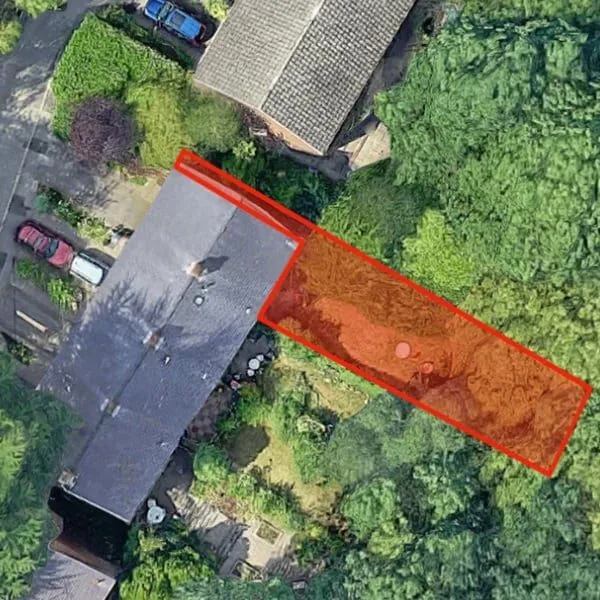
Residential Site
£800 + VAT
- Site survey
- Topographical plan
- 40m x 20 m wide
- Moderate overgrowth
Typical for a house extension or garden development planning application. Delivered within 5-7 working days.
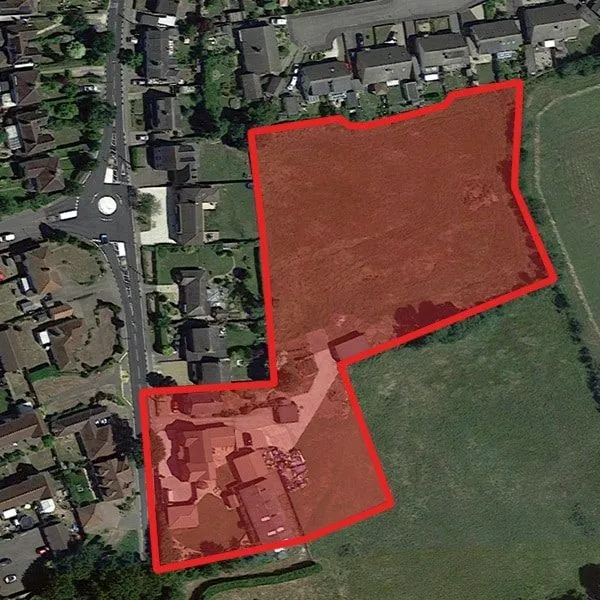
Parcel Of Land
£2000 + VAT
- Site survey
- Topographical plan
- 150m x 200 m wide
- Moderate overgrowth
Suitable for a small housing development or commercial planning application. Delivered within 5-7 working days.
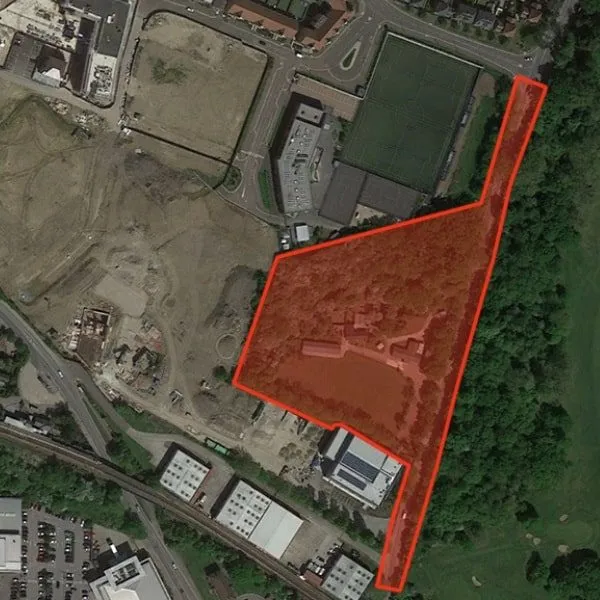
Parcel Of Land
£3700 + VAT
- Site survey
- Topographical plan
- 500m x 200 m
- Moderate overgrowth
Common for larger residential developments or agricultural planning applications. Turnaround typically 7-10 working days.
What Is Included in the Price?
All quoted prices include an on-site survey by a qualified surveyor, a full CAD drawing package in both DWG and PDF format, alignment to the Ordnance Survey grid and datum, site photographs shared with you after the visit, and quality-checked drawings ready for your architect or engineer to use directly. There are no hidden extras. If we need to return to site or issue revised drawings due to our error, this is covered within the original quote.
Money Saving Tips
Working out how much a topographical survey can cost is a difficult task for someone looking for a quote as well as the company pricing the work. Many factors can influence the price of a survey, such as:
- The extent of the land you need to survey.
- The level of detail you require.
- The location of the works.
In this section, we give you simple tips that will help you get better value from topographical survey quotes. This should either reduce your costs, or give you survey drawings that are exactly what you need.
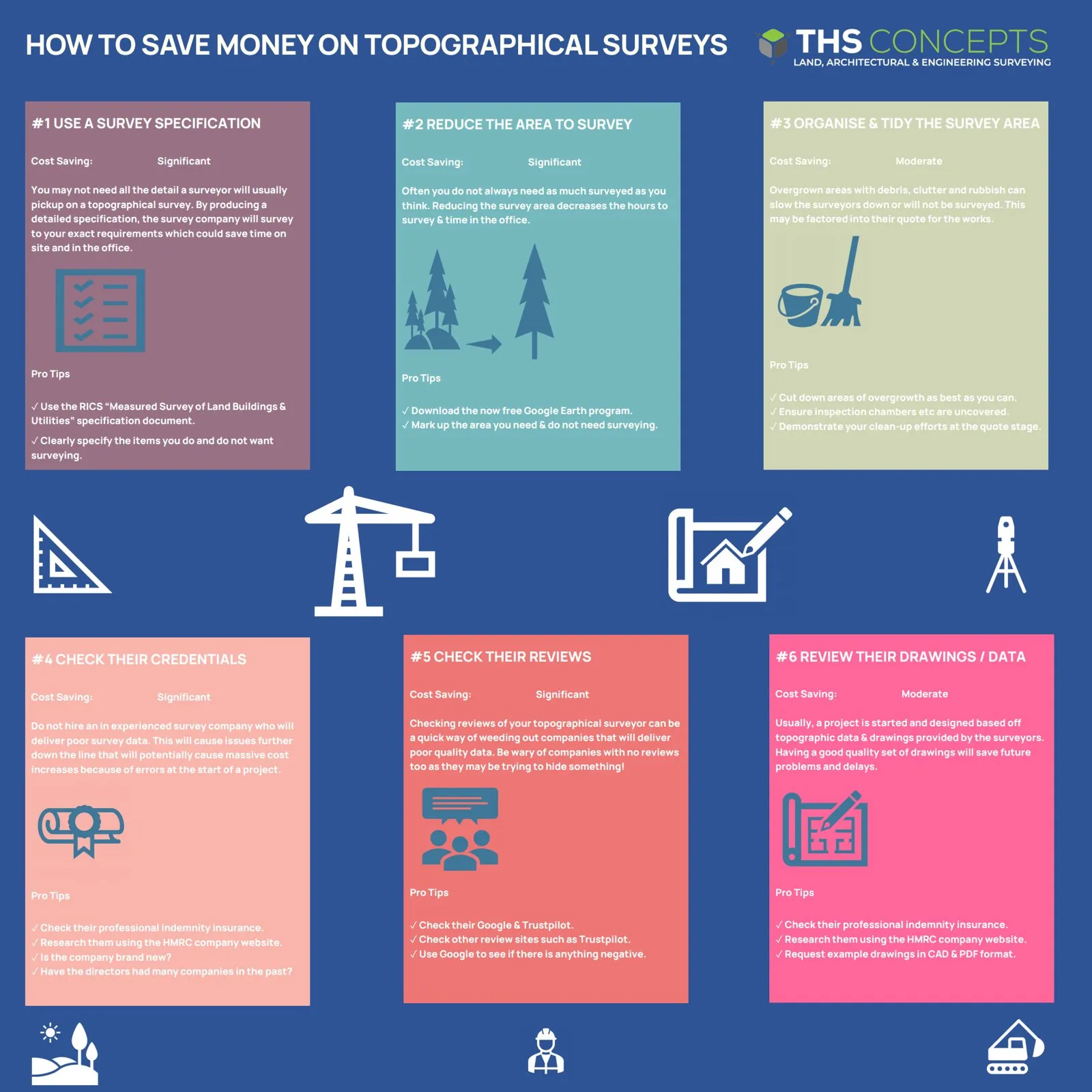
Tip #1 - Specify Your Exact Survey Requirements
A topographical survey specification provided to your survey providers is extremely important.
The specification document allows you to list out your exact survey requirements. The specification document can help save money by allowing you to list out your exact survey requirements. This could save site survey time and office hours for the survey company. In turn, this should reduce your costs!
The level of detail required can have a massive impact on your topographical land survey costs. If you need a large area of land surveyed, then a good tip is to specify the areas where you need more detail and those where you need less.
There is sometimes no need to survey all areas in high detail. This will save your surveyors’ time and ultimately lower your costs.
When you receive a quote from the surveying company, check that it contains all the relevant information you need for your survey. It’s crucial your company has understood your specification, you don’t want them coming back and asking for more money because they either didn’t understand your specification or they misunderstood it.
It is also worth checking terms and conditions to check there are no additional fees for revisions to the drawing or returning to the site if they haven’t picked something up correctly.
If you are looking for a topographical survey specification document then please refer to the guide from RICS “Measured Survey Of Land, Buildings and Utilities”.
Tip #2 - Reduce The Size of the Land To Be Surveyed
Sometimes it might not actually be necessary to survey the whole property or extent of the land. Reducing the required survey area will save the survey company time on site and in the office. Thus, costs are reduced.
If you are building an extension, for instance, it may be that you can reduce your survey area to within 10 metres of the existing structure. There is no point in surveying all the way to the end of the garden if this data isn’t going to be used.
Practical Tip: Utilise a tool such as Google Earth to mark up a satellite image. This way you can show exactly what you need surveying and what you do not.
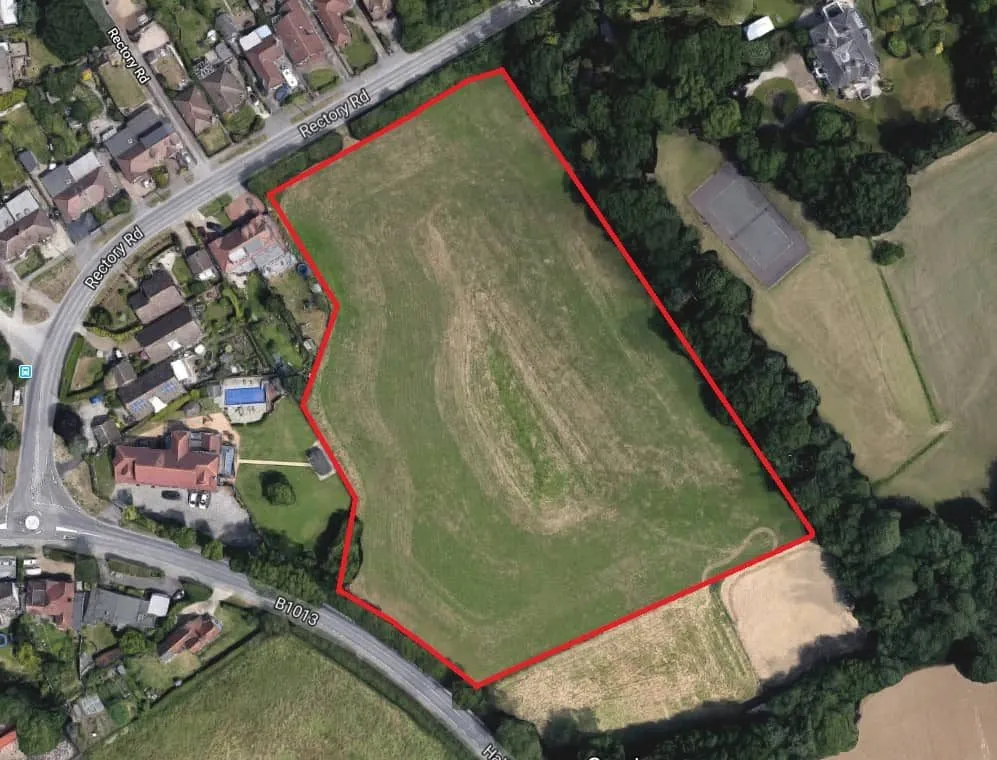
Large area to be surveyed
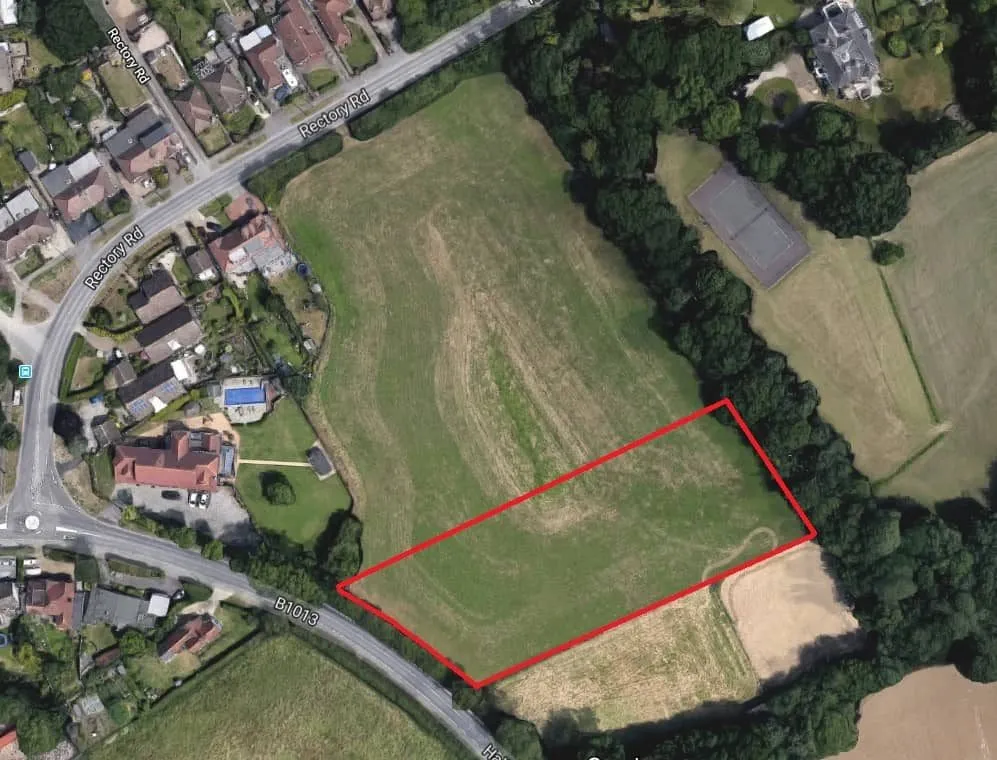
Reduced area to be surveyed
Tip #3 - Can You Make the Survey Process More Efficient?
The location and type of land that needs surveying can make a huge difference in your land survey costs. For instance, surveying a big open field in comparison to a remote forest with limited visibility.
If you have an area of dense overgrowth that needs surveying, a good idea may be to reduce overgrowth by making the site more open. Your surveyor will thank you and your bank balance will too! At the quotation stage, ensure you send some example photos to show how clear the area is. This might not necessarily show up in aerial imagery, which is what the survey companies usually price their quotes from.
**Practical Tip:**If it is cost effective, reduce the foliage where possible and make the site more open where you can. Take photos of the site before and send these with your quote request to show the survey company the lay of the land at ground level.
Tip #4 - Check The Surveyors Credentials
A topographical land survey is an important part of any building project and serves as a key component when planning out your land development projects. If you want to save on future costs, then ensure the land survey company you employ is:
-
Expertise Are they a new company that has just started out? This may be a sign of inexperience.
-
Suitably insured If things do go wrong, then it’s comforting to know that the company you are dealing with is insured.
-
See drawing examplesHave a look at examples of work they have produced. Does it come across as professional?
**Practical Tip:**A legitimate survey company should be able to demonstrate their levels of insurance, terms, and conditions and provide examples of their work. If you are unsure about a company then checking HMRC companies lookup site can sometimes yield worrying aspects about a company or its directors.
Tips On Instructing Land Surveying Companies
When appointing a land survey company, you must choose the right company to avoid future problems as a result of poor drawings and communication. Before the appointment, we recommend checking the following:
-
Experience: Land surveying is a complicated task. Surveyors are required to operate complex survey devices and then produce clear, accurate drawings to be presented to the client. An experienced survey team knows to avoid problems and get the work completed efficiently and to a high standard.
-
Size of company: Sometimes a “one-man-band” company is perfect for your requirements. On balance, however, this can cause problems with getting answers quickly, revisiting the site etc. Furthermore, a company with only 1 or 2 employees may leave clients waiting as they are regularly out of the office, unavailable to talk or not around to check or reissue drawings.
-
Insurances: When things go wrong, there can be serious financial implications. Check that your land surveying company has the correct professional indemnity insurance for their work and that the cover they provide is more than suitable for your requirements. A reputable company should also carry an employer’s liability and public liability insurance.
-
General feel: Do employees professionally present themselves? Usually, gut instinct is helpful to get a feel for how easy it will be to work with a company. Red flags that raise suspicions include:
-
There is no address on the website: Can surveyors be tracked down if things go wrong? A survey company should not be operating from a PO box.
-
**It is much cheaper than others:**Like most things in life, you pay for what you get. A very low quote in comparison to other companies may result in poor workmanship and customer service.
-
Telephone/email manner: Are your phone and email messages answered promptly? If not, then this may reveal an overworked or understaffed company.
-
Poorly designed website: This is usually a sign of a company who aren’t very technology savvy or aren’t too interested in the user experience on-site.